
Choice Theory®, created by Dr. William Glasser, is a psychological model that explains human behaviour as a series of conscious choices made to satisfy five fundamental needs: survival, love and belonging, power, freedom, and enjoyment. It teaches that people are accountable for their own decisions and behaviour because the only person they can truly influence is themselves. According to the theory, many personal and emotional difficulties stem from struggles to meet these needs — especially within relationships — and real change comes from focusing on present actions and making more effective choices that support a meaningful life.
Key Principles of Choice Theory
Behaviour is motivated by needs: All deliberate actions are driven by the desire to meet one or more of the five basic needs, though each person prioritizes them differently.
Personal responsibility and control: Individuals have control only over their own thoughts, feelings, and behaviours, not over other people.
Emphasis on relationships: Many psychological challenges are understood as difficulties in relationships. The theory encourages replacing control-based approaches with cooperation and mutual respect.
Present-centred focus: While past experiences can shape how people think and act, the emphasis is on making better choices in the present to improve future outcomes.
The “Quality World”: Each person carries an internal picture of what they want in life — their ideal people, goals, and experiences. Choices are guided by how closely reality matches this personal vision.
About Dr. William Glasser
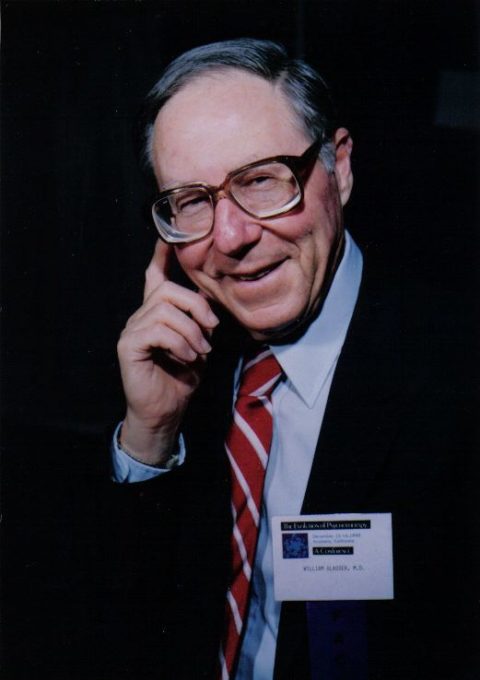
Dr. Glasser was a world-renowned board-certified psychiatrist who did not agree with the medical model of medicating for mental illness. Instead, he believed in working with people and helping them to find and build stronger relationships. He first developed Reality Therapy® in 1965, and after writing several other books, in 1998 he published his now classic book called Choice Theory®, A New Psychology of Personal Freedom.
Frequently Asked Questions
More Questions?
Contact Us
"*" indicates required fields